Cashless Payments in the Philippines: A Beginner’s Guide
Discover how cashless payments work, the most popular methods in the Philippines, and how to start paying safely and conveniently.
-
 Manage Money
-
 Last Updated October 8, 2026
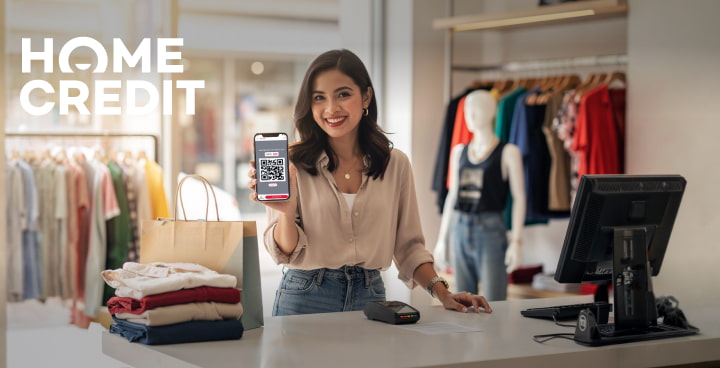
Table Of Contents
How do you usually pay for your bills and purchases? Do you still go through the long lines of ATM machines to withdraw money during pay day?
From scanning QR codes in stores to sending money instantly through mobile wallets, cashless payments are quickly becoming part of everyday life in the Philippines.
If you're new to going cashless—or want to use it more effectively—this guide covers everything you need to know, including what cashless payments are, how they work, and how to start using them safely.
What Are Cashless Payments?
Cashless payments let you pay without using physical cash. Instead, you pay electronically using tools like:
- Mobile wallets (e.g., GCash, Maya)
- Debit or credit cards
- Online banking apps
In the Philippines, digital payments continue to grow, supported by initiatives like the Bangko Sentral ng Pilipinas (BSP) Digital Payments Transformation Roadmap, which aims to increase digital payment adoption nationwide.
Want to start your cashless payment journey?
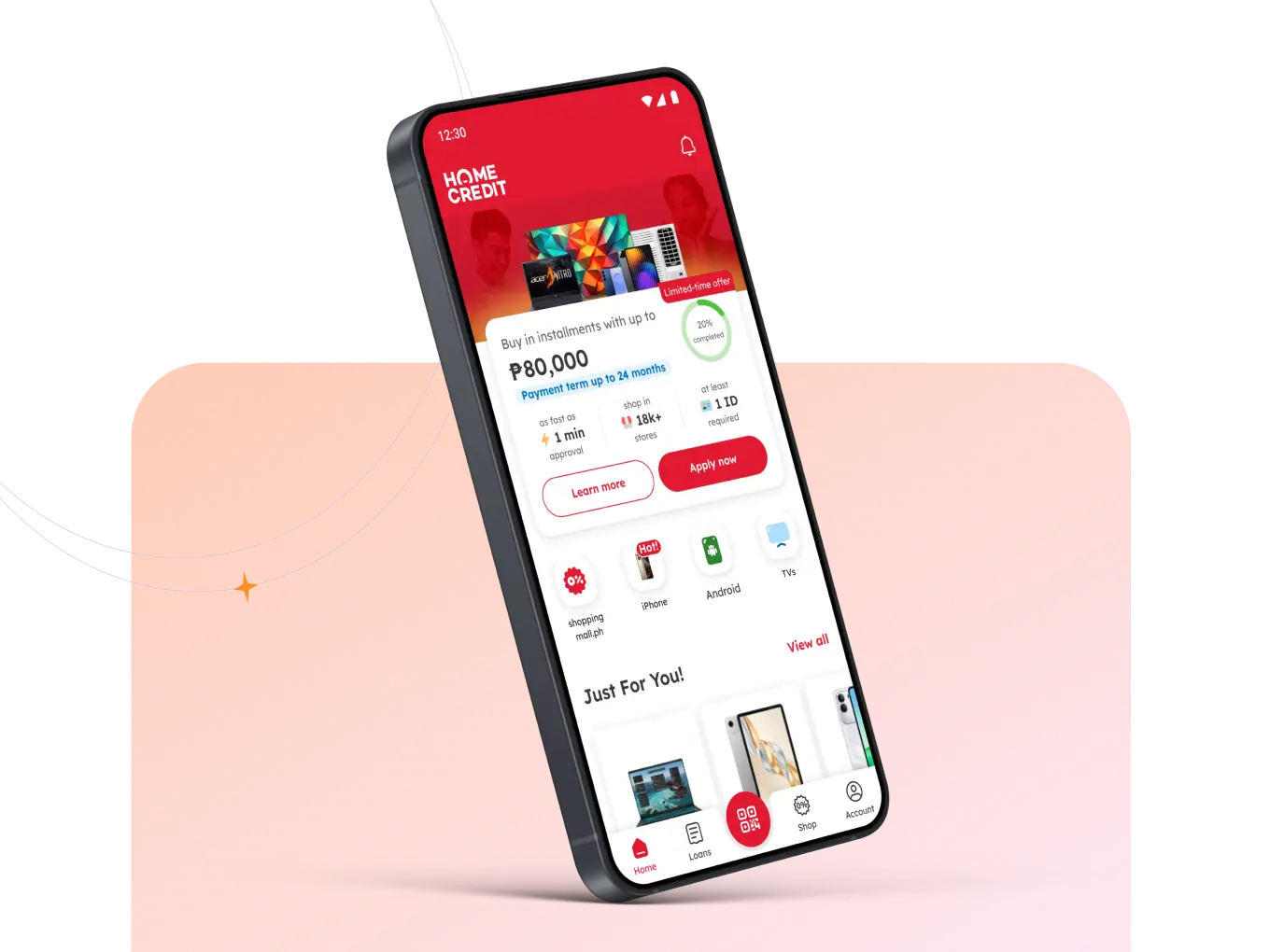
Bring home your dream item today and pay in easy monthly installments with Home Credit! Download the Home Credit App to discover flexible installment options available for you.
How Cashless Payments Work
Cashless payments work by transferring money electronically from your account to a store or another person—without using physical cash.
Here’s what typically happens behind the scenes:
- Choose your payment method: Use an e-wallet, debit or credit card, or online banking app.
- Confirm the payment details: Scan a QR code, tap or insert your card, or enter payment details online.
- Verify your identity: Confirm the transaction using OTP, PIN, or biometric login
- Secure processing: The payment is encrypted and routed through secure financial networks.
- Funds are transferred: The recipient receives the payment—often within seconds.
Many systems in the Philippines—like QR Ph—are interconnected, allowing seamless payments between banks and e-wallets.
Popular Cashless Payment Methods in the Philippines
Choosing the right method depends on your lifestyle and needs. Here are the most common options:
1. Mobile Wallets (E-wallets)
Popular e-wallets like GCash and Maya make everyday transactions simple and accessible across the Philippines.
You can:
- Pay bills
- Send or receive money
- Scan QR codes
- Shop online or in-store
Best for: Daily spending and quick, convenient payments
2. Debit and Credit Cards
Cards are widely accepted both online and offline.
- Debit cards deduct money directly from your bank account.
- Credit cards allow you to pay later and manage cash flow.
Best for: Larger purchases, subscriptions, and secure payments
3. QR Code Payments (QR Ph)
QR Ph allows interoperability between banks and e-wallets for faster transactions.
- One QR code works for multiple platforms
- Faster transactions without typing account details
Best for: Small businesses, transport, and quick payments
4. Online Banking Transfers
Bank apps and websites make it easy to:
- Transfer funds
- Pay bills
- Complete digital purchases
Best for: High-value transactions and account management
5. Buy Now, Pay Later (BNPL) & Financing Apps
Cashless payments don’t just offer convenience—they also give you financial flexibility.
With BNPL or financing solutions like Home Credit, you can:
- Purchase gadgets, appliances, and more
- Pay in installments that match your budget
This helps you manage larger expenses without paying everything upfront.
Need a more flexible way to pay?
Download the Home Credit App and explore installment options for top-selling devices and appliances near you!
Are Cashless Payments Safe?
Yes, cashless payments are safe when used properly. Banks and financial providers in the Philippines use advanced security systems to protect users.
However, staying safe also depends on your habits.
Essential Safety Tips:
- Never share your OTPs, PINs, or passwords.
- Use strong, unique credentials.
- Avoid public Wi-Fi when making payments.
- Verify QR codes and payment requests.
- Enable notifications for real-time alerts.
Watch out for scams such as phishing messages, fake payment links, and fraudsters posing as customer support.
Benefits of Going Cashless
Switching to digital payments offers several advantages:
- Convenience – Pay anytime, anywhere without carrying cash
- Speed – Transactions are completed in seconds
- Security – Features like OTP, biometrics, and alerts help protect your account
- Better money tracking – Easily monitor your spending and manage your budget
How to Start Using Cashless Payments in the Philippines
Getting started with cashless payments can be done in 4 easy steps:
- Choose a platform (e-wallet, bank, or card).
- Download the app or sign up.
- Link your bank account or load funds.
- Start making digital transactions.
Start with one platform, then explore other options as you get more comfortable.
Take the Next Step Towards Safer, Smarter Payments
Cashless payments are transforming how Filipinos manage their money—making everyday transactions faster, safer, and more convenient.
When you understand how they work, you can take full advantage of digital payments while staying in control of your finances.
If you’re looking for a smarter way to plan your purchases, Home Credit gives you the flexibility to shop now and pay in installments that fit your budget.
Download the Home Credit App today and enjoy a more convenient, flexible way to manage your money easily anytime, anywhere.