The Horrors of Living Paycheck to Paycheck—and How to Escape It
How to stop living paycheck to paycheck and build lasting financial security.
-
 Tips and Guides
-
 Last Updated November 12, 2026

Table Of Contents
Being an adult means learning how to stretch every peso. There are bills to pay, responsibilities to fulfill, and loved ones you want to spend time and money on. And after an exhausting day, sometimes all you want is a little treat. But when you check your wallet and realize there’s barely anything left, even a simple treat becomes a budgeting decision. Worse, payday is still five days away.
Then payday finally comes, and you get a little breathing room—until, after a few expenses, you’re running low on cash all over again. Before you know it, you’re stuck in the same scary cycle, wondering, “What am I doing wrong?”
In this article, we’ll discuss the horrors of living paycheck to paycheck and how you can reclaim financial security.
What Does Living Paycheck to Paycheck Mean?
Living paycheck to paycheck means relying on your next salary to cover your regular expenses because little to no money remains after paying your bills and other financial obligations.
For many Filipino young professionals in their late 20s to mid-30s, this can be especially challenging. You may be paying rent, supporting your parents, paying off loans, or saving for major life milestones. When these expenses pile up, even a stable income may not feel enough.
The problem isn't always how much you earn. Sometimes, it's also about how your money is allocated, how much debt you carry, and whether your spending aligns with your priorities.
5 Practical Ways to Break the Paycheck-to-Paycheck Cycle
1. Track Where Your Money Goes
Start by reviewing your payslip, bank statements, and e-wallet transactions. List your fixed expenses, debt payments, and other financial commitments.
This helps you identify spending patterns and expenses you can adjust. You don't have to give up every little pleasure; the goal is to understand where your money goes and make more intentional decisions.
2. Create a Realistic Monthly Budget
Build a budget around your actual take-home pay, not your gross salary. Prioritize necessities such as housing, food, utilities, transportation, and minimum debt payments before allocating money for wants.
For starters, you can use the 50/30/20 budgeting. 50% for needs, 30% for wants, and 20% for savings and debt repayment. If your current expenses make this unrealistic, adjust the percentages to fit your situation.
3. Build an Emergency Fund Gradually
An emergency fund can help you handle unexpected expenses without relying on additional debt. Start with a manageable target, such as ₱1,000 or one week's worth of essential expenses, then build toward three to six months of essential living costs.
Set aside a small amount every payday, even if it's only ₱200 or ₱500. Consistency matters more than starting with a large amount.
4. Manage Debt and Installment Payments Carefully
List your outstanding debts, interest rates, due dates, and monthly payments. Prioritize high-interest debt while keeping up with required payments on other obligations.
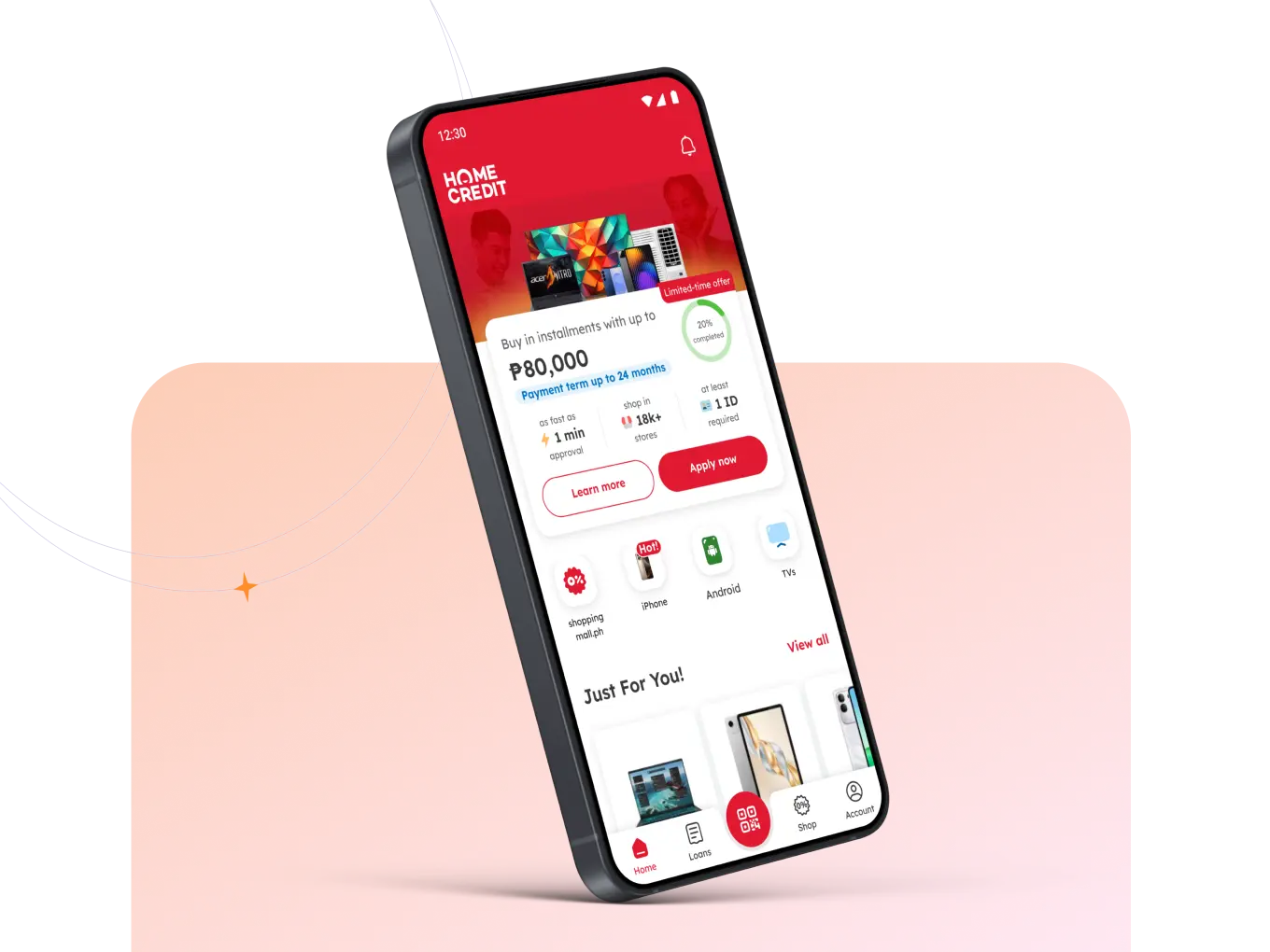
Before committing to an installment plan, check the total amount payable, fees, payment schedule, and how the monthly installment fits into your budget. If you're considering a financial services like Home Credit for big purchases, review the terms carefully and make sure the payments won't compromise your essential expenses or savings goals.
5. Plan for Payday Before It Arrives
Give your salary a purpose before spending it. Once you're paid, allocate money for bills, groceries, transportation, debt payments, and savings.
Separating these amounts into different accounts or e-wallet categories can help you avoid accidentally spending money intended for essentials. If possible, automate savings transfers so you can set money aside before any spending begins.
Take Control of Your Money, One Payday at a Time
Escaping the paycheck-to-paycheck cycle doesn't happen overnight. It takes consistent effort, realistic goals, and a willingness to adjust your financial habits as your circumstances change.
Start small: track your spending, create a budget, build an emergency fund, and make informed borrowing decisions. Every peso you manage intentionally brings you one step closer to financial stability—and a little less payday anxiety.