Financial Literacy 101: A Beginner's Guide for Filipinos
Build a solid financial foundation by learning budgeting basics, emergency funds, debt management, and beginner-friendly investments.
-
 Manage Money
-
 Last Updated August 28, 2026

Table Of Contents
Managing your salary, bills, savings, and loan payments can feel confusing, especially if you’re making bigger money decisions for the first time.
Financial literacy helps you understand your options before you spend, save, invest, or borrow.
This guide covers the basics of managing your money, building savings, understanding credit, comparing loans, and finding reliable resources that can help you make more informed financial decisions.
What Is Financial Literacy?
Financial literacy is the ability to understand and manage money effectively. It includes budgeting, saving, borrowing, managing debt, and making informed financial decisions.
The Bangko Sentral ng Pilipinas (BSP) describes financial education as a way to help Filipinos make prudent financial plans, build reserves, manage debt, accumulate assets, and understand their rights and responsibilities as financial consumers.
In everyday life, financial literacy can help you answer questions such as:
- How much of your salary can you comfortably spend?
- How much should you set aside for emergencies?
- Can you afford the monthly payment on a loan?
- How much will borrowing actually cost?
- Is a financial provider legitimate?
- What should you check before signing a loan agreement?
The financial literacy meaning goes beyond knowing financial terms. The real goal is being able to use that knowledge when making decisions.
You don’t need to become a finance expert. Start by understanding the parts of your finances that affect your everyday life.
Financial Literacy Starts With Knowing Your Money
Before making financial plans, understand where your money currently goes.
Start with your monthly income, then list your regular expenses such as rent, groceries, transportation, utilities, loan payments, and family support. Include occasional expenses too, such as school fees, medical needs, repairs, celebrations, or annual payments.
From there, you can build a simple budget:
- Know your take-home income. Base your budget on the money you actually receive.
- Separate needs from wants. Prioritize essentials and financial obligations before discretionary spending.
- Set aside money for savings. Even a manageable amount can help you develop the habit.
- Track your spending. Review where your money goes and identify expenses you can adjust.
- Review your budget regularly. Your expenses and priorities can change, so your budget should be flexible too.
Budgeting isn’t about removing everything enjoyable from your life. It helps you decide where your money should go instead of finding out where it went after you’ve already spent it.
Build Savings Before You Need Them
Saving is another important part of financial literacy because unexpected expenses can happen even with careful planning.
An emergency fund is money set aside specifically for unexpected and necessary expenses, such as urgent repairs, temporary income disruption, or medical costs. Keeping some savings available may reduce the need to immediately rely on credit every time an unplanned expense appears.
You can start by choosing an amount you can realistically save from each payday. Consistency matters more than trying to save a large amount immediately.
You can also separate savings according to purpose:
- Emergency savings for unexpected needs
- Short-term savings for upcoming purchases
- Long-term savings for bigger financial goals
Keeping your goals separate can make it easier to see your progress and avoid spending money intended for another purpose.
Financial education also means understanding that your plan can change. A saving target that works today may need adjustment when your income, household expenses, or priorities change.
Understand Credit Before You Borrow
Borrowing can help you manage certain expenses, but a loan creates a financial obligation that continues until you repay it according to the agreement.
Before taking a loan, check more than the monthly payment. Review the amount you’ll receive or finance, repayment period, interest, fees, total amount payable, payment schedule, and consequences of late or missed payments.
One useful figure is the Effective Interest Rate or EIR, which reflects the effective cost of borrowing. The BSP provides a loan calculator that consumers can use to compare EIRs and assess their ability to repay.
Before borrowing, ask yourself:
- Is this expense necessary right now?
- Can I cover the monthly payment without sacrificing essentials?
- How much will I pay altogether?
- Are there additional fees?
- What happens if I miss a payment?
- Have I compared other available options?
The BSP also encourages consumers to understand their options, terms, and risks before using credit and to borrow and repay responsibly.
Loan eligibility, interest rates, fees, and repayment terms vary by lender and borrower. Read the disclosure statement and loan agreement carefully before accepting an offer.
Looking for a financing option for planned purchases?
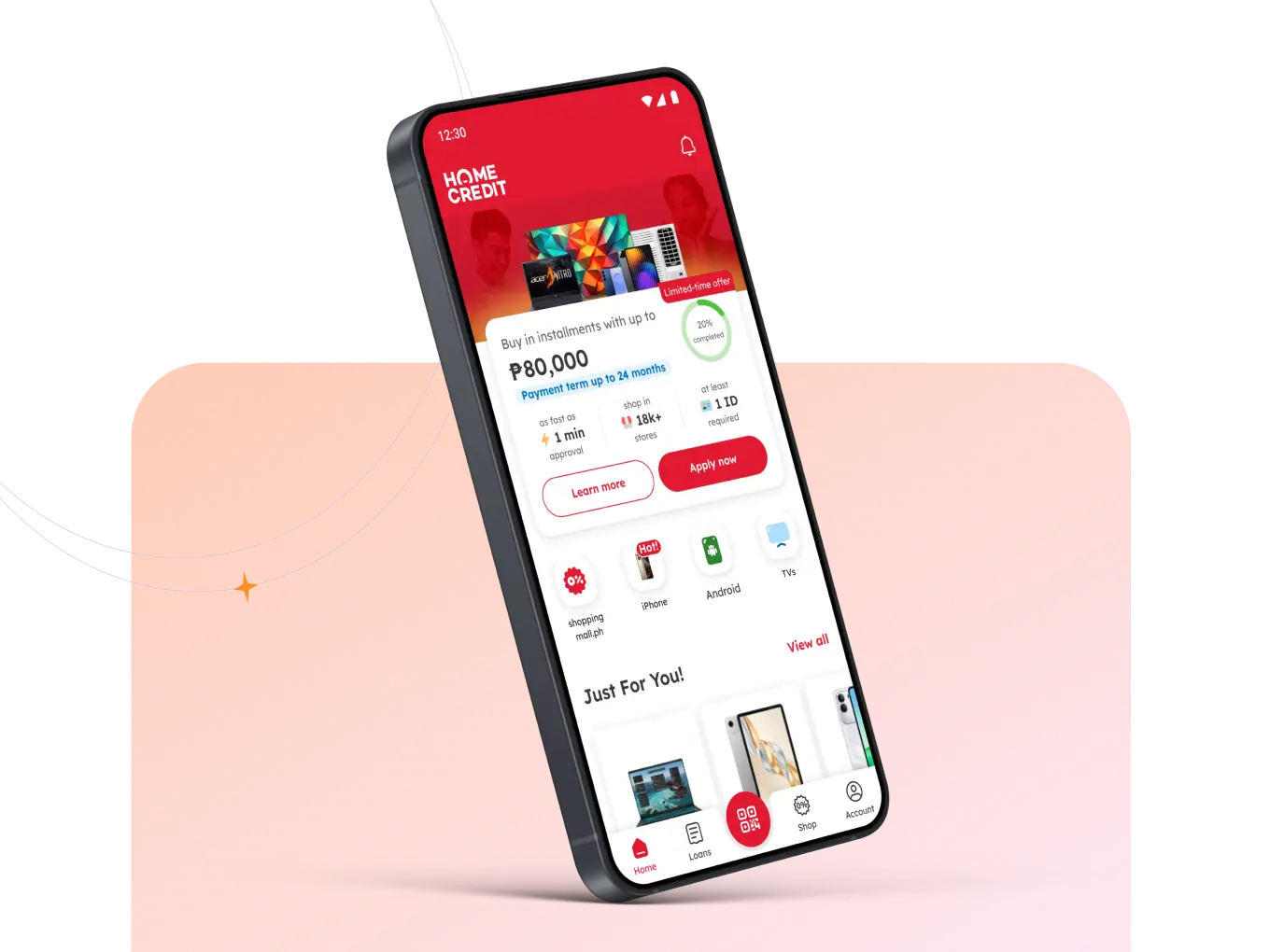
Home Credit offers installment plans that you can explore through the Home Credit App. Review available offers, eligibility requirements, and repayment terms before applying.
Check Who You’re Dealing With
Financial literacy also means knowing how to protect yourself as a financial consumer.
Before applying for financing, verify the company behind the service.
The Securities and Exchange Commission maintains information on lending and financing companies, including relevant regulations and recorded online lending platforms.
You should also:
- Read the lender's terms and conditions.
- Check the full cost before agreeing to borrow.
- Avoid sharing passwords, PINs, or one-time passwords.
- Review permissions requested by financial apps.
- Keep copies of agreements, receipts, and payment records.
- Know where to raise concerns if you experience a problem.
Consumer protection is also part of the BSP's financial inclusion framework, which requires BSP-supervised financial institutions to incorporate consumer protection into their governance and business practices.
For example, Home Credit Philippines states that it is regulated by the BSP and registered with the SEC. This type of regulatory information is one of the details you can verify before using a financial provider.
How to Improve Your Financial Literacy
You don’t have to learn everything about money at once. Start with topics connected to decisions you’re already making.
If you’re planning to take your first loan, learn about interest, fees, repayment schedules, and credit. If you’re trying to save more, focus on budgeting and emergency funds first.
The BSP also provides financial education learning materials covering topics such as financial planning and consumer protection.
You can also read books to build your understanding of money. Some popular best books for financial literacy searches point readers toward titles covering budgeting, money behavior, investing, and long-term planning.
Instead of choosing a book only because it promises wealth, look for one that:
- Explains financial concepts clearly
- Separates facts from personal opinion
- Discusses risks as well as potential benefits
- Fits your current financial goals
- Encourages realistic and responsible money habits
Remember that books written for another country may discuss taxes, retirement accounts, credit systems, or investments that work differently in the Philippines. Use them to learn general principles, then verify local financial rules with Philippine regulators or qualified professionals.
Frequently Asked Questions About Financial Literacy
Q: What is financial literacy in simple terms?
A: Financial literacy is your ability to understand and manage money. It includes budgeting, saving, borrowing, managing debt, and making informed financial decisions.
Q: Why is financial literacy important for Filipinos?
A: It can help you plan your expenses, prepare for financial emergencies, understand loans, and compare financial products more carefully. It also helps you recognize your responsibilities and rights as a financial consumer.
Q: How can I start learning financial literacy?
A: Start with your own budget. Learn how much you earn, where your money goes, how borrowing costs work, and how to build savings. You can then explore topics such as credit, insurance, and investing as they become relevant to your goals.
Q: What should I learn before taking out my first loan?
A: Learn how interest, fees, repayment schedules, and the total amount payable affect the cost of borrowing. Compare your options and make sure the required payments fit your budget before accepting a loan.
Q: What are the best books for financial literacy beginners?
A: Look for beginner-friendly books that explain budgeting, saving, debt management, and financial behavior without promising guaranteed results. For Philippine-specific rules, pair books with reliable financial education resources from regulators such as the BSP.
Build Your Financial Literacy One Decision at a Time
Financial literacy starts with understanding your income, spending, savings, and borrowing choices before making commitments.
Small habits, such as tracking expenses, comparing loan costs, and reading financial terms carefully, can help you make more informed decisions.
If your budget requires financing support, you can explore your available options through the Home Credit App.
As with any financial provider, it's important to review the terms, costs, and repayment obligations before applying. If you're exploring financing options, you can check available Home Credit products through the Home Credit App.