OFW Loan: What Financial Help Is Available?
Working abroad comes with big financial challenges. Here is your guide to the government programs, bank loans, and quick relief funds ready to support you and your family.
-
 Borrow Money
-
 Last Updated October 1, 2026
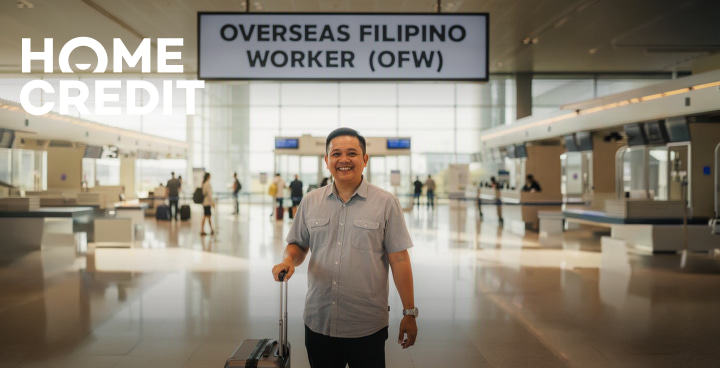
Table Of Contents
For many Filipinos, working abroad is seen as a path to a better future for themselves and their families.
Before working, aspiring OFWs often need to pay for documents, medical exams, travel, and other pre-employment requirements. These costs can be difficult to cover and may take time to recover after employment begins.
An OFW loan may help cover some of these costs when savings or current income are not enough. This guide explains the available loan types, common requirements, application options, and key costs you should compare before borrowing.
What Does OFW Mean?
OFW stands for overseas Filipino worker. The Department of Migrant Workers defines an OFW as a Filipino who works or has worked for pay in another country where they are not a citizen, permanent resident, or immigrant. This includes both land-based and sea-based workers, regardless of employment status.
OFWs were previously called overseas contract workers or OCWs. The term OFW became more widely used in the 1990s as more Filipinos took on skilled, professional, and other forms of employment abroad. It also reflected their growing contribution to their families and the Philippine economy, which led many people to call them “bagong bayani.”
You may still see the term OCW in older census records and some government documents. Today, however, OFW is the more common term used for Filipinos working overseas.
What Is an OFW Loan and How Does It Work?
An OFW loan is a financing product for overseas Filipino workers and, in some cases, qualified family members. Funds may be used for personal expenses, emergencies, education, business needs, or work-related costs.
Some lenders offer products specifically labeled as OFW loans. Others provide regular personal, salary, business, or multipurpose loans that OFWs may apply for. Each option can have different requirements, repayment periods, fees, and eligibility rules.
Common OFW loan options include:
- Personal loan: A general-purpose loan that you can use for approved personal or household expenses.
- Business loan: Financing intended for starting or expanding a business.
- Government-supported program: Financial or livelihood support offered through agencies such as the Overseas Workers Welfare Administration or OWWA.
- Secured loan: A loan backed by an asset, such as property or a pawned item.
- Online loan: A loan you can apply for through a lender’s website or mobile app.
Borrowing creates a legal repayment obligation. Before applying, check the total amount you must repay and confirm that the monthly payment fits your budget even if your income or exchange rate changes.
Exploring OFW loan options?
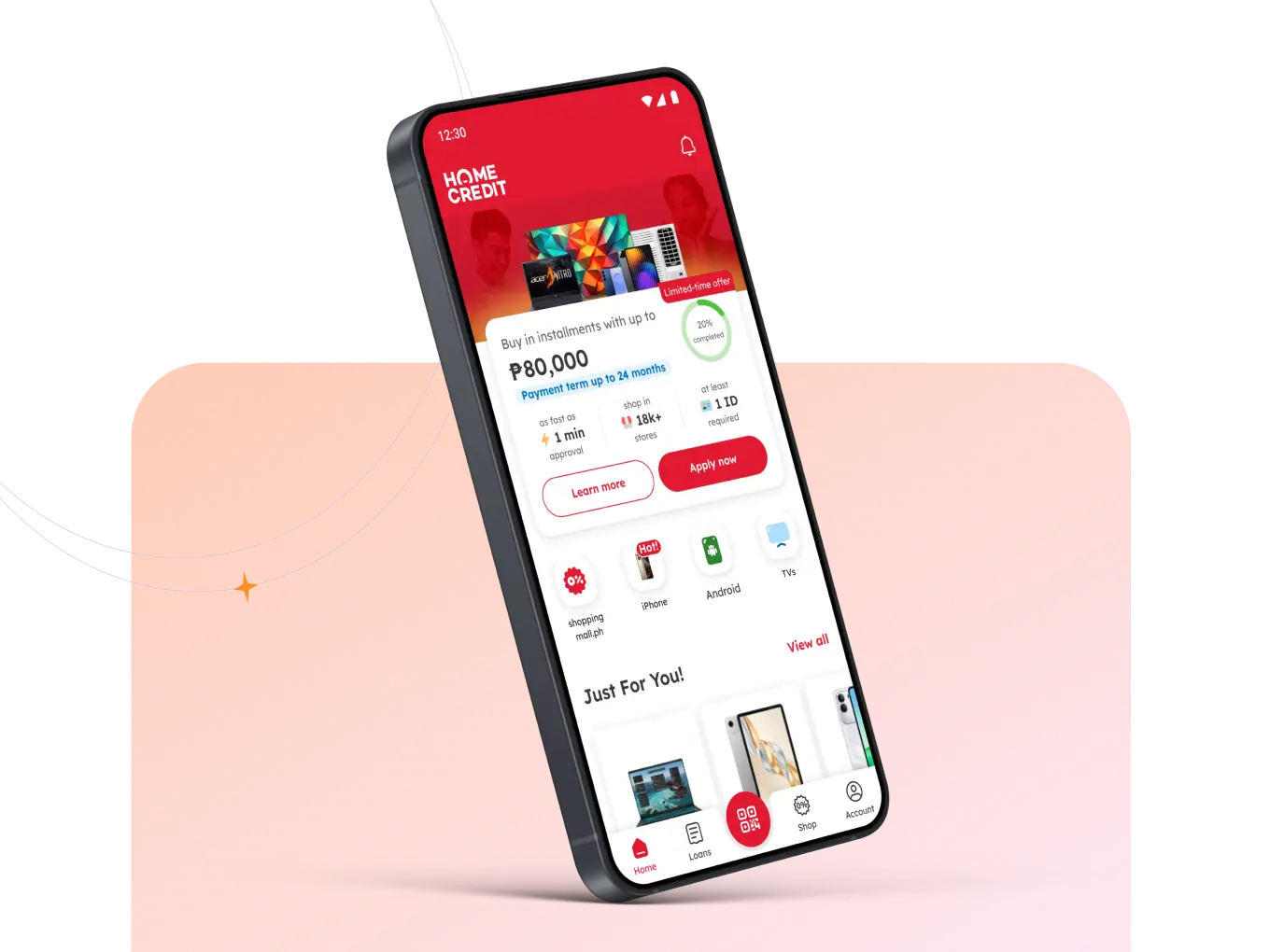
If you're exploring financing options, Home Credit offers a range of flexible solutions designed for different needs. Download the Home Credit App to check available offers, subject to eligibility and assessment.
What OFW Loan Options Can You Consider?
The best option depends on your purpose, employment status, and repayment capacity.
1. Bank or financing company loans
Banks and financing companies may offer personal or multipurpose loans to OFWs. Some accept overseas applications, while others require a borrower or representative to complete part of the process in the Philippines.
Eligibility may depend on your income, employment contract, country of work, credit history, and supporting documents. Approval is never guaranteed, and terms vary among providers.
2. OWWA livelihood and reintegration support
Returning OFWs who plan to start a business may explore OWWA reintegration services. OWWA’s OFW Enterprise Development and Loan Program, offered with government financial institutions, supports qualified OFWs and their families in building viable businesses. It is intended for enterprise development rather than general personal spending.
OWWA also lists livelihood assistance programs for certain returning members. Some forms of support may be financial assistance or grants instead of standard loans, so review the program’s purpose and eligibility carefully.
3. Loans from regulated nonbank providers
Financing and lending companies may provide alternatives to traditional bank loans. Verify that the company is properly registered and authorized before submitting personal information.
Home Credit Philippines is a BSP-regulated and SEC-registered financing company. Its products have their own eligibility requirements, and available offers may differ by customer.
How to Apply for an OFW Loan Online Safely
An OFW loan online can minimize branch visits, but always verify the lender first. Apply only through official websites or verified apps.
Follow these steps before sharing your information:
- Confirm the company’s identity. Check its registered business name, contact details, and physical office.
- Verify its authority to lend. The SEC publishes information about registered lending and financing companies and recorded online lending platforms.
- Read the loan disclosure. Review the interest, fees, deductions, due dates, and total repayment amount.
- Check the privacy notice. Understand which personal information will be collected and how it will be used.
- Avoid advance-payment requests. Be cautious if someone asks you to transfer money to a personal account before releasing a loan.
- Keep copies of your records. Save the application, agreement, payment schedule, receipts, and official messages.
Never share your one-time password, online banking password, or full account access with a loan agent. Avoid installing applications sent through private messages or unofficial download links.
Looking for a digital loan option?
Compare providers carefully and review the total cost before borrowing. If you're considering an east, eligible customers can check available Cash Loan offers through the Home Credit App. Approval remains subject to assessment and applicable requirement.
What Requirements and Costs Should You Compare?
Requirements vary, but lenders typically ask for proof of identity, overseas employment, income, and Philippine contact details.
You may be asked for:
- Valid government-issued identification
- Passport and work visa
- Overseas employment contract
- Recent payslips or proof of remittance
- Bank statements
- Proof of Philippine address
- Contact details of your employer
- Documents from a co-borrower or authorized representative
A lender may request additional documents depending on its assessment. Submitting complete information does not automatically mean that your application will be approved.
Compare the effective interest rate (EIR), which reflects the loan's actual cost, including interest and applicable charges.
Review the following before signing:
- Amount you will actually receive after deductions
- Monthly payment and number of installments
- Total amount you must repay
- Processing, documentary, insurance, or service fees
- Late-payment charges
- Payment channels available from your country
- Rules for early or full repayment
Philippine truth-in-lending rules require the disclosure of finance charges connected with credit. Read the disclosure statement before accepting the loan.
How to Decide If an OFW Loan Fits Your Budget
Borrow only what you need. Taking a larger loan increases repayment costs and can reduce funds available for household expenses and savings.
Calculate your budget using your dependable take-home pay, not expected overtime, bonuses, or uncertain allowances. Since exchange rates can move, leave room between your required monthly payment and the maximum amount you think you can afford.
Ask yourself:
- Is the expense urgent or can you save for it?
- Is there a grant, insurance benefit, employer benefit, or government program available?
- Can your household continue paying if remittances are delayed?
- Do you already have other loans or credit card balances?
- How much will remain after the payment and essential expenses?
- Does the loan’s purpose justify its total cost?
Discuss the repayment plan with your family, especially if they will manage the funds or make payments. Set clear expectations for how the money will be used.
Missed payments may lead to charges, collection activity, and a negative borrowing record. Contact the lender early if you expect difficulty paying instead of ignoring the due date.
Frequently Asked Questions About OFW Loans
Q: Can an OFW apply for a loan while abroad?
A: Yes. Some lenders allow OFWs to apply while abroad through online channels. Requirements vary and may include employment documents, proof of income, or an authorized representative in the Philippines.
Q: Can the family of an OFW apply for the loan?
A: Some lenders allow a spouse or qualified family member to apply, serve as a co-borrower, or act as an authorized representative. The OFW’s income may still need to be verified, and the person signing the agreement remains responsible for its terms.
Q: What documents are usually required for an OFW loan?
A: Common documents include valid IDs, a passport, work visa, employment contract, proof of income, remittance records, and proof of address. Requirements depend on the lender, loan type, country of employment, and borrower profile.
Q: Can I get an OFW loan without collateral?
A: Some personal loans are unsecured, which means they do not require an asset as collateral. These loans may use your income, employment record, and credit profile to assess eligibility, but approval and terms still vary.
Q: How can I tell if an OFW loan online is legitimate?
A: Verify the provider through the SEC or BSP, use its official website, and read the complete loan disclosure. Avoid agents who request advance payments through personal accounts or ask for passwords and one-time codes.
Choose an OFW Loan You Can Repay Responsibly
Working abroad often comes with upfront costs and financial responsibilities. If you're considering an OFW loan, take time to compare legitimate providers, review the full cost of borrowing, and choose an option that fits your budget and needs.
Borrow responsibly, keep your repayment obligations manageable, and make sure the loan supports your long-term goals rather than creating additional financial strain.
If you're looking for a digital loan option, find out how Home Credit can help you! Explore installment shopping, revolving credit, cash loan, and more through the Home Credit App.