Here’s Why the Alternative Learning System Helps More Filipinos Finish School
See how the Alternative Learning System is giving more Filipinos a second chance at education.
-
 Lifestyle Hacks
-
 Last Updated May 28, 2026
%20in%20the%20Philippines_Home%20Credit%20Article%20Web%20Banner.2026-05-28-15-07-43.jpg)
Table Of Contents
Every day is a fresh opportunity to reopen doors, restart your education journey, and finally chase after those big life goals on your own terms.
So here is the good news: the Department of Education (DepEd) has a built-in "second chance" pathway designed exactly for situations like this. It is called the Alternative Learning System (ALS), and it proves that it is never too late to get that diploma.
Let's break down what ALS is, how it supports adult learners, and exactly how you can get started.
What is the Alternative Learning System (ALS)?
Alternate learning system (ALS) is a different learning option for people who can’t attend regular school in the Philippines.
Instead of sitting in a classroom all day, Monday to Friday, the alternate learning system lets you study at your own pace and on your own time.
The biggest game-changer? According to DepEd, it is completely free. There is no tuition, and you do not even need to buy a school uniform.
How ALS Helps Adults Turn Things Around
If you are an adult juggling a job, a family, or a business, regular school schedules are practically impossible. Alternative learning systems are built to fit your life, not the other way around.
- Flexible Scheduling: You and your ALS teacher (called a Learning Facilitator) agree on a schedule that works for you. Classes can happen on weekends or evenings.
- Community-based: Learning doesn't just happen in school buildings. It often takes place in Barangay Community Learning Centers (CLCs), multi-purpose halls, libraries, or even online.
- Self-paced learning: You use modules and activity sheets. If you understand a topic quickly, you can move ahead. If you need more time, there is no pressure to rush.
- Recognized diplomas: Passing the program gives you an official diploma equivalent to formal school graduates. This means you can finally apply for that promotion, head to college, enter Senior High School, or take up technical-vocational courses under TESDA.
Support Your ALS Goals with Learning Tools
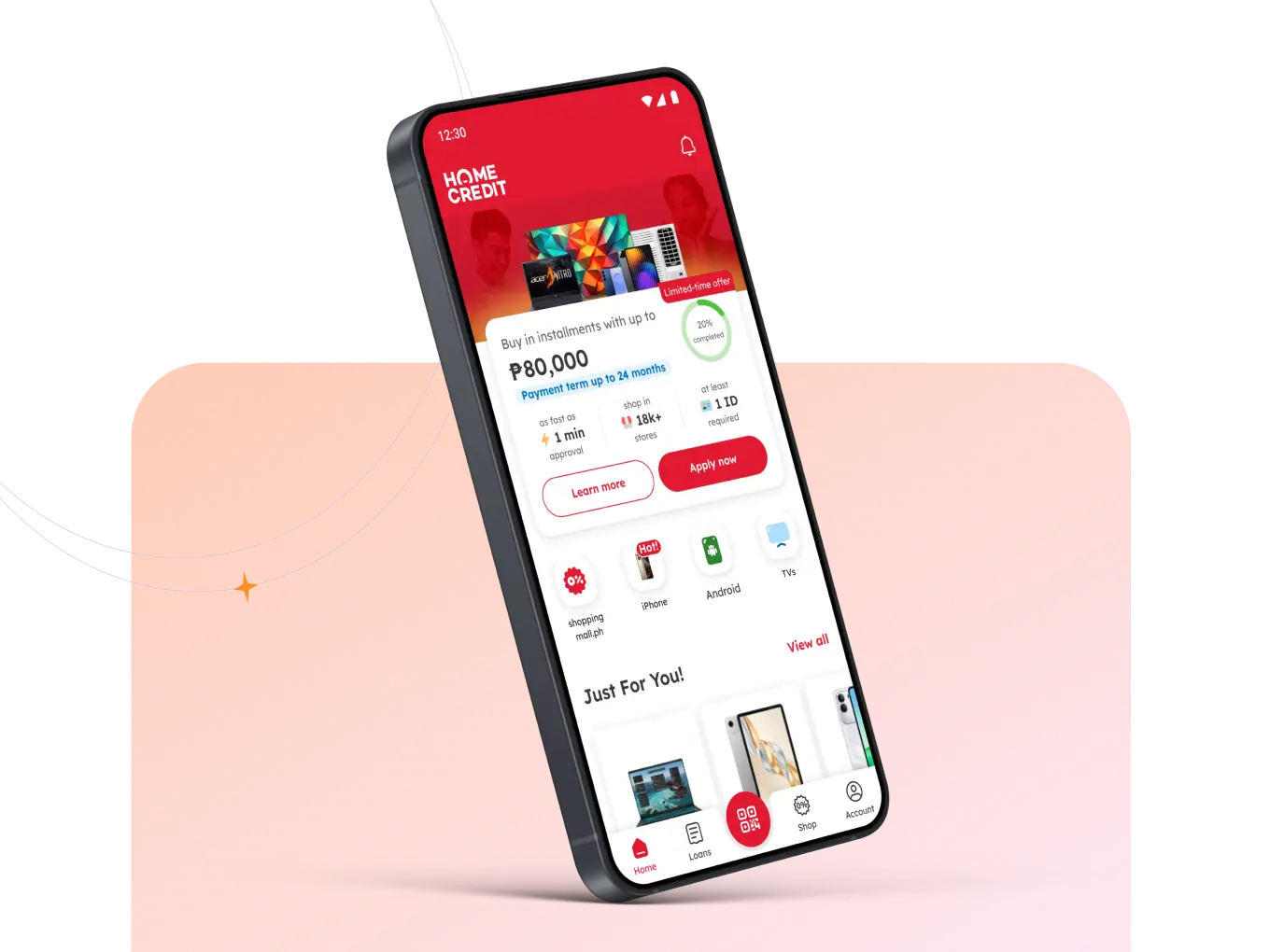
The right gadget can make studying, researching, and attending online lessons more convenient. Get yours now through a Home Credit product loan and pay monthly at a pace that fits your budget.
ALS Program: Who It Is For and What You Learn
DepEd designs its ALS curriculum around practical life skills, communication, math, and digital literacy. Depending on where you left off, you can enter one of these main programs:
- Basic Literacy Program (BLP) - This is designed for adults who never had the chance to go to school or just need a quick refresher on the basics. It focuses on building fundamental, everyday skills like reading, writing, and simple math.
- Accreditation & Equivalency (A&E) - Program This is for adults who already know how to read and write but weren't able to finish elementary or high school. It provides practical, real-world lessons aligned with the K-to-12 curriculum, helping you earn an official elementary or high school equivalent diploma.
How to Enroll in ALS?
Here is a quick guide on how the process works and what you need to prepare.
1. Enrollment Requirements
Head to your nearest barangay hall, public school, or DepEd District Office and look for an ALS teacher. Bring these basic documents:
- Photocopy of your PSA Birth Certificate (or Baptismal Certificate)
- 2x2 ID picture with a white background
- Form 137 (your old school report card), but only if you have it from your formal school days. If you don't, don't worry—the teachers will help you figure out an alternative.
2. Step-by-Step Process
- Find your local CLC - Visit your local barangay or public school to connect with an authorized ALS Mobile Teacher or Coordinator.
- Take the Literacy Test - You will take a Functional Literacy Test (FLT). Don't stress—this isn't a pass-or-fail entrance exam! It simply helps your teacher see what you already know so they can place you in the right level.
- Create your Learning Plan - You and your teacher will map out an Individual Learning Agreement (ILA). This serves as your personal calendar and goal tracker.
- Study the Modules - Start learning through physical printed modules, group discussions, or digital tools depending on what your local center offers.
- Take the A&E Test - Once your teacher sees you are ready, you can register for the Accreditation and Equivalency (A&E) Test. Passing this test officially certifies your graduation level!
Education doesn't have an expiration date, and it certainly isn't limited to a traditional classroom grid. ALS is a legitimate, respected, and highly supportive pathway designed to give every hardworking Filipino a fair shot at a brighter future.
*Note: Program availability and schedules may vary by location.
Ready to Upgrade Your Future?
As you take these exciting steps to finishing school, having the right tools can make a world of difference.
You can get a reliable laptop for studying your ALS modules or a smartphone to stay connected. Home Credit is here to support your journey with affordable monthly installment plans.
Ready to find your perfect ALS gadget? Download the Home Credit App today to check your loan eligibility and explore the best tech deals for your education.