You Got a Raise—So Why Are You Still Broke? Understanding Lifestyle Creep
Know how to prevent lifestyle creep and protect your finances.
-
 Tips and Guides
-
 Last Updated September 23, 2026
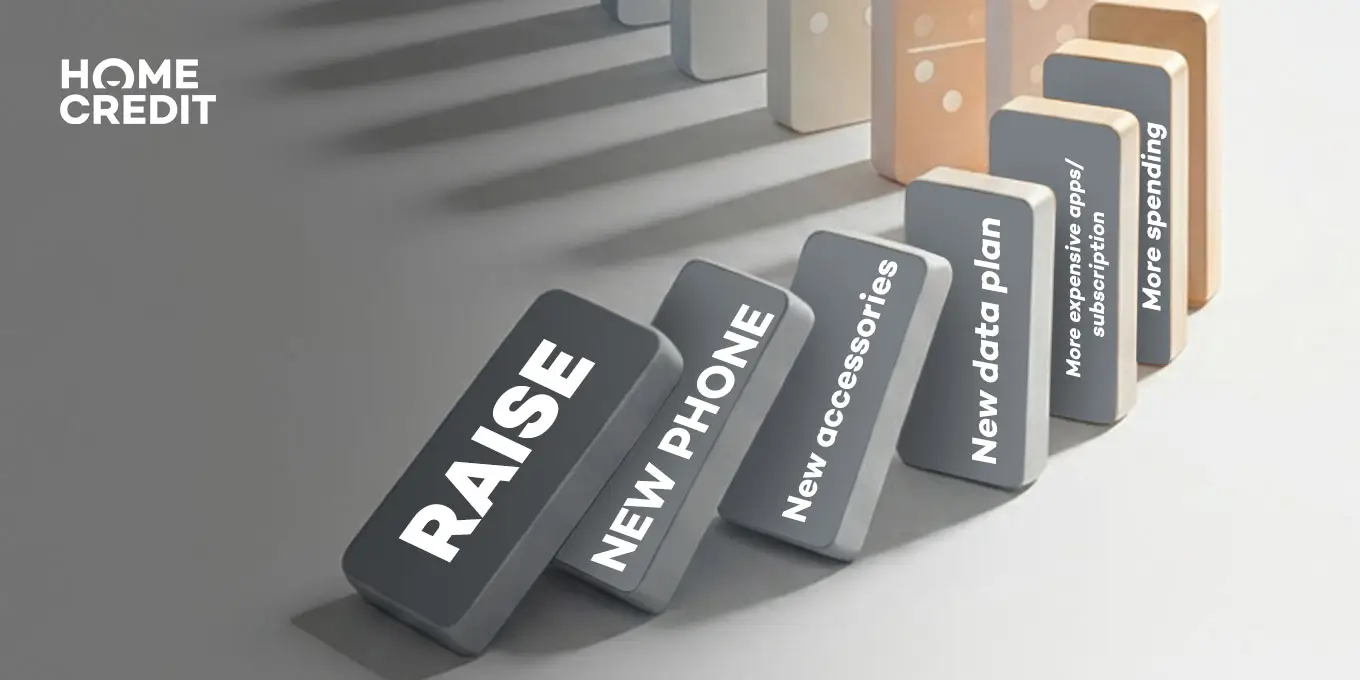
Table Of Contents
Congratulations, you got a raise! 🎉 Your salary is finally bigger, so naturally, your brain goes: “I deserve a little treat.” Then comes the upgraded coffee order, a few more food deliveries, a new gadget, weekend dinners, and suddenly…none’s left on your hard-earned money.
If this sounds familiar, you may be experiencing lifestyle creep, also known as lifestyle inflation. It happens when your spending gradually increases as your income goes up. Instead of using the extra money to build savings or pay down debt, you start spending more because your new income makes previously “expensive” purchases feel more affordable.
The tricky part? Lifestyle creep doesn’t usually happen overnight. It sneaks in one upgrade at a time.
💸 What Exactly Is Lifestyle Creep?
Lifestyle creep is when your standard of living increases along with your income. A salary increase that could have improved your financial situation instead gets absorbed by higher spending.
For example, you used to bring baon to work because you were trying to save money. After getting a raise, you start buying lunch every day. Or even do lunch out with your officemates Then you upgrade your phone, move to a more expensive apartment, subscribe to more streaming services, and take Grab more often.
None of these purchases are necessarily bad. At the end of the day, if these things make your life happier and more convenient, then it is not a total waste. The problem is when your expenses grow just as quickly—or even faster—than your income.
That ₱200 coffee you buy outside? It may have started as a once-a-month treat. But when it becomes a daily habit, it can quietly become a significant monthly expense.
How to Prevent Lifestyle Creep and Protect Your Finances:
1. Give Your Raise a Job
Before spending your additional income, decide where it should go.
You could divide your salary increase among savings, debt payments, investments, and spending money. This way, you can enjoy your raise without letting all of it disappear. Even if you allocate only a portion toward your financial goals, you’re already making progress.
2. Upgrade Your Life Slowly
Getting a raise doesn’t mean you need to upgrade everything at once.
Want better headphones with noise cancellation? Go for it. Planning a nicer vacation? Save for it. But instead of automatically increasing multiple expenses simultaneously, choose which upgrades genuinely add value to your life. One at a time.
A higher income should give you more choices—not more financial pressure.
3. Keep Some Old Habits
Not every habit from your lower-income days needs to disappear.
If bringing lunch, taking public transportation, or cooking at home still works for you, keep doing it. The goal isn’t to stay in “tipid mode” forever. It’s to make sure your spending reflects your priorities.
4. Check Your Expenses Religiously
Your budget should evolve as your income changes. Review your recurring expenses every few months and look for subscriptions, convenience spending, or lifestyle upgrades that you no longer really need.
If you’re planning a major purchase, such as a new appliance or gadget, consider your overall budget and repayment capacity first. Home Credit offers easy financing options for eligible purchases, which may help make certain purchases more manageable.
A Raise Should Improve Your Finances—Not Just Your Lifestyle
There’s nothing wrong with enjoying the fruits of your hard work. You deserve to celebrate your raise! But remember, the real goal is to make sure your income grows faster than your lifestyle. Use your extra income to build savings, reduce debt, prepare for emergencies, and enjoy the things that genuinely matter to you.
Because the best part of getting a raise isn’t being able to spend more. It’s finally having more financial breathing room.