How to Start a Sari-Sari Store in the Philippines: A Complete Beginner’s Guide
Starting a sari-sari store is a classic way to build your own income right from your doorstep. This guide walks you through budget-friendly inventory tips and daily habits that keep a neighborhood shop thriving.
-
 Borrow Money
-
 Last Updated May 28, 2026
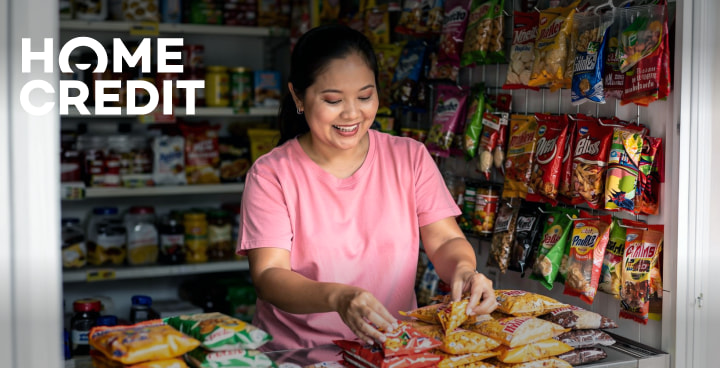
Table Of Contents
Starting a sari-sari store is one of the most practical ways many Filipinos begin their small business journey.
With low starting capital, steady daily demand, and flexible working hours, a sari-sari store can provide extra income—or even grow into a long-term livelihood.
If you’re planning to open a sari-sari store in the Philippines, this beginner-friendly guide will walk you through everything you need to know—from planning and products to permits and financing.
The Quick Summary of Starting a Sari-Sari Store in the Philippines
- Estimated capital: ₱5,000–₱50,000+
- Best products to sell: Fast-moving daily essentials
- Key success factors: Location, pricing, inventory control
- Ways to earn more: Load selling, e-wallet services, frozen goods
What is a Sari-Sari Store?
From the Filipino word sari-sari, meaning “variety” or “assortment”, a sari-sari store is a small neighborhood shop that sells everyday essentials such as food, household items, and basic personal care products.
Most sari-sari stores in the Philippines are home-based and serve nearby residents. Because customers often buy in small quantities (tingi)—and sometimes on credit—these stores play an important role in daily Filipino life.
Why Start a Sari-Sari Store Business?
Despite the growth of supermarkets and convenience stores, sari-sari stores remain popular because they:
- Require relatively low startup capital
- Can be operated from home
- Serve consistent daily demand
- Offer flexible working hours
- Can grow gradually through reinvested profits
For many Filipino families, a sari-sari store provides extra income. For others, it becomes a reliable main source of livelihood.
Planning to start your sari-sari store?
Download the Home Credit App to explore financing options and manage your budget—all in one place.
How to Start a Sari-Sari Store? Step-by-Step Planning!
This breaks down the transition from a simple idea to a fully operational storefront, ensuring you cover both the logistical and financial basics before serving your first customer.
Step 1: Plan Your Sari-Sari Store
Before buying products, take time to plan. Focus on two important things: knowing your market and choosing a good location.
To understand your market:
- Observe nearby sari-sari stores
- Identify fast-moving products
- Check common price points and buying habits
A good location should be easy to access and close to residential areas, schools, or offices. The goal is to serve a daily need that isn’t fully covered by nearby stores.
Step 2: Decide What Products to Sell
Choosing the right products helps ensure steady daily sales and healthy cash flow. Here’s a basic list of sari-sari store essentials:
1. Food and Drinks:
- Instant noodles
- Canned goods
- Coffee, sugar, and creamer
- Bread and biscuits
- Soft drinks and bottled water
2. Personal Care Items:
- Shampoo and conditioner (sachets)
- Soap and toothpaste
- Laundry detergent (sachets)
3. Household Essentials:
- Candles and matches
- Cooking oil (small packs)
- Rice (per kilo or tingi)
These items are affordable, practical, and sell quickly in most communities.
Stocking up your first products?
Check the Home Credit App for financing options that can help you purchase inventory and daily essentials.
Step 3: Manage Your Inventory Wisely
Good inventory management helps prevent losses and avoid running out of popular items.
Here are some simple tips:
- Start with fast-moving products.
- Restock in small quantities at first.
- Check expiration dates regularly.
- Keep personal items separate from store inventory.
- Use a notebook or simple list to track stocks.
As your store grows, better inventory control can directly improve profits.
Step 4: Monitor Your Pricing and Daily Operations
When setting prices, follow local market rates and remember to include delivery and restocking costs. Keep margins small but consistent.
Set clear opening and closing hours to keep your store organized and easy for customers to rely on.
Lastly, qhile having suki or regular customers is important, manage credit (utang) carefully to protect your cash flow and avoid losses.
Step 5: Increase Your Income with More Sari-Sari Store Ideas
Once your store is stable, you can earn more by adding services based on customer needs, such as:
- GCash or Maya cash-in and cash-out
- Prepaid load selling
- Frozen goods like ice candy or ice cream
- School and office supplies
- Homemade food or snacks
Small add-ons can make a big difference when chosen wisely.
Ready to expand your store?
Whether you need a mobile phone for load selling or a refrigerator for frozen goods, explore financing options in the Home Credit App!
Step 6: Secure Legal and Barangay Requirements
Many sari-sari stores start informally, but registering your business offers long-term benefits—especially if you plan to expand or apply for financing later.
Common requirements may include:
- Barangay clearance
- Mayor’s permit
- BIR registration
According to the Department of Trade and Industry (DTI), business registration helps support long-term growth and access to formal financial services.
Step 7: Explore Capital and Financing Options
If your starting capital is limited, financing options can help you begin or expand your store.
Small business loans can support you in:
- Buying inventory
- Repairing or improving your store
- Adding new product lines
When choosing financing, look for:
- Affordable monthly payments
- Clear and transparent terms
- Financing meant for business growth
Trusted financial partners like Home Credit offer accessible loan options designed for everyday entrepreneurs.
How Much Capital Do You Need to Start?
Your starting capital depends on your store size and product range:
- ₱5,000–₱10,000: Very small starter store
- ₱15,000–₱30,000: Basic, well-stocked store
- ₱50,000 and up: Expanded inventory with added services
Many successful sari-sari stores start small and grow steadily by reinvesting profits.
Start Small, Grow Steadily
Starting a sari-sari store remains one of the most practical ways to begin a small business in the Philippines.
With proper planning, the right products, and smart inventory management, even a small neighborhood store can generate steady income.
With Home Credit, starting or growing your sari-sari store can be easier on your budget. Download the Home Credit App today and explore how Home Credit can help you open your business.